Tutorials » Issue #31 » poor-mans-mellotron

Poor Man's Mellotron

You just can't beat a Mellotron or Chamberlin for adding texture and interest to any track. This precursor of the modern digital sampler utilized pre-recorded tapes that played as the keys were held down. Unfortunately there aren't very many of these beasts kicking around, and the the instruments that do exist are very temperamental and hard to maintain. I have to warm mine up for an hour or two to get it to where it will play back the tape banks without warbling, and even then it's dicey as to whether or not it will play the notes clearly. They are also limited in the number of voices in the banks. Mine has trumpet, French horn, violin, cello, and the wonderful sound of individual men's and woman's voices... and that's it!

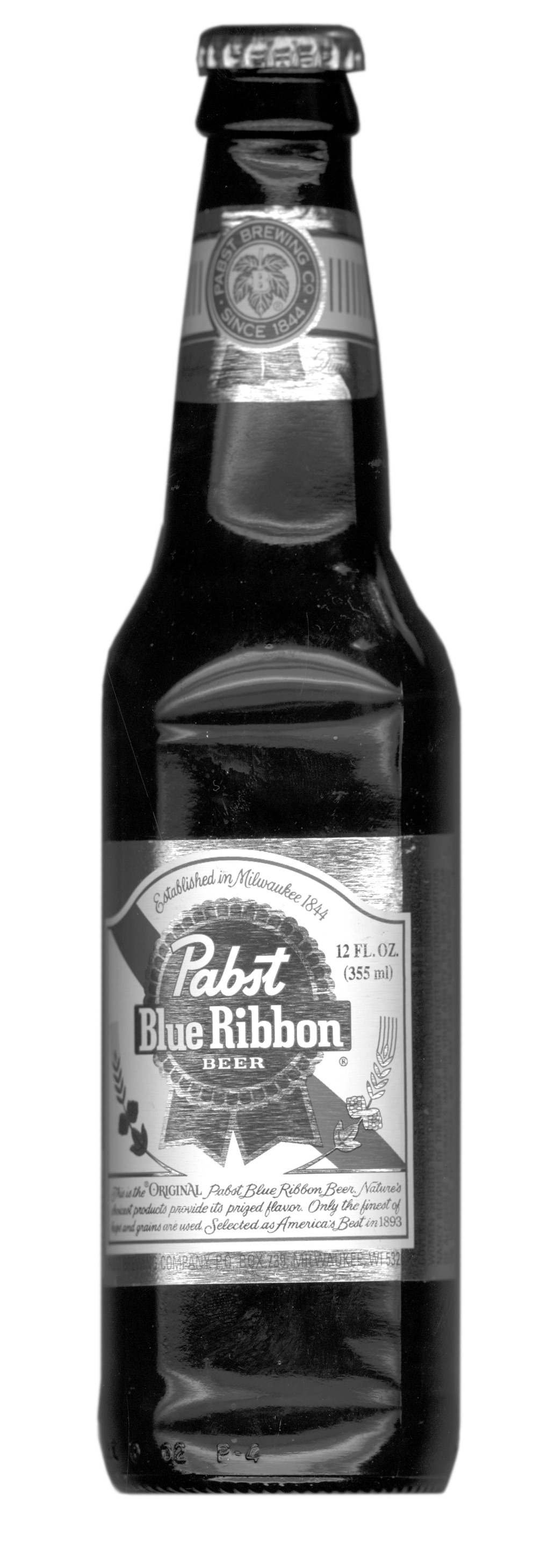
I got this idea at last year's NAMM show when I spotted the highlight of the show (for me), the Peterson Bottle Organ, an amazing-sounding keyboard instrument that plays 74 beer bottles by blowing air across the mouth of each bottle, triggered by the keyboard. At $25,000, it was out of my reach, but by using the technique below you can have the sound of the beer-bottle organ or any other instrument you wish to track! I've been experimenting with recording tuned notes on various musical instruments to one track of tape each, and playing back the faders on the console in much the same way as playing a Chamberlin or organ keyboard. For example, I tuned water glasses to various notes by filling them with water and tuning them with a Strobotuner, recorded them to 8 tracks of tape, and played back the faders to the pre-existing track... the result is very Chamberlin-esque, and very, very effective. Other instruments I've tried successfully are violin, mandolin, and bass harmonica.

You could set aside an inexpensive 16-track analog recorder (or 8-track if you know what key it'll be in) for just this function and have loops of different instruments ready to "play" onto songs you are working on. Record a long passage of all twelve notes (you need to pick a register for each loop!). Then splice a loop out of this, trying for the smoothest audible transition at the cut. Loop the tape through the deck, set up a stand to pick up the slack — an old thread spool on a mic stand is ideal. Then play the faders like a keyboard, using bus assignment for chord grouping if you want. Create as many of these loops as you need and have fun!

Tape Op is a bi-monthly magazine devoted to the art of record making.

Or Learn More

MORE TUTORIALS

ARA = Audio Random Access
TUTORIALS · ISSUE #173 · May 2026

ARA = Audio Random Access

By Larry Crane

What is ARA? It has come up in this issue (in my review for NoiseWorks' VoiceAssist), and we've mentioned it in the past. I think it's an important concept to understand in digital audio production. Basically, think of this as two different computer applications working...

Listening for a Lifetime
TUTORIALS · ISSUE #171 · Jan 2026

Listening for a Lifetime Protecting Your Ears

By Alexander Wright

I’ve spent the last decade mastering records every day. That means long hours of listening, plenty of late nights, and more than a few mornings where the world felt half a dB dimmer than it should. I used to treat that feeling as part of the job. It isn’t. The job is listening – and...

Top 12 Vocal Recording Mistakes
TUTORIALS · ISSUE #170 · Jun 2026

Top 12 Vocal Recording Mistakes

By Larry Crane

I get sent hundreds of tracks a year to mix, and in some of the songs people have shortchanged the vocal recordings in a variety of ways. I won't even mention a song's tempo and key choice, as those should be determined before one starts tracking a singer. Here's a list...

The New (and Preferred) Decibel
TUTORIALS · ISSUE #108 · Aug 2015

The New (and Preferred) Decibel

By Ronald Ajemian

The dB decibel is ubiquitous in the field of audio technology, recording, broadcast, etc. However, a need for a better notation has arisen to avoid confusion on the dB usage for certain measurements. This article explains this new and preferred dB notation with selected examples.

A Brief...

Water in the Air
TUTORIALS · ISSUE #108 · Aug 2015

Water in the Air How Humidity Screws with Instruments in Your Studio

By Garrett Haines

From guitars to drums to cabinets, many of the instruments we record are made of wood. As an organic, porous substance, wood tries to equalize to the surrounding air in terms of temperature and humidity. Having a stable humidity level can help to avoid damage to expensive gear as well...

All About Wall Warts
TUTORIALS · ISSUE #108 · Aug 2015

All About Wall Warts

By Garrett Haines

I was reading a review in another recording magazine in which the writer opened up complaining about a device's external wall wart power supply. He went on and on about how irritating wall warts are and how he was miffed that anyone would even use them. My take was the reviewer was...